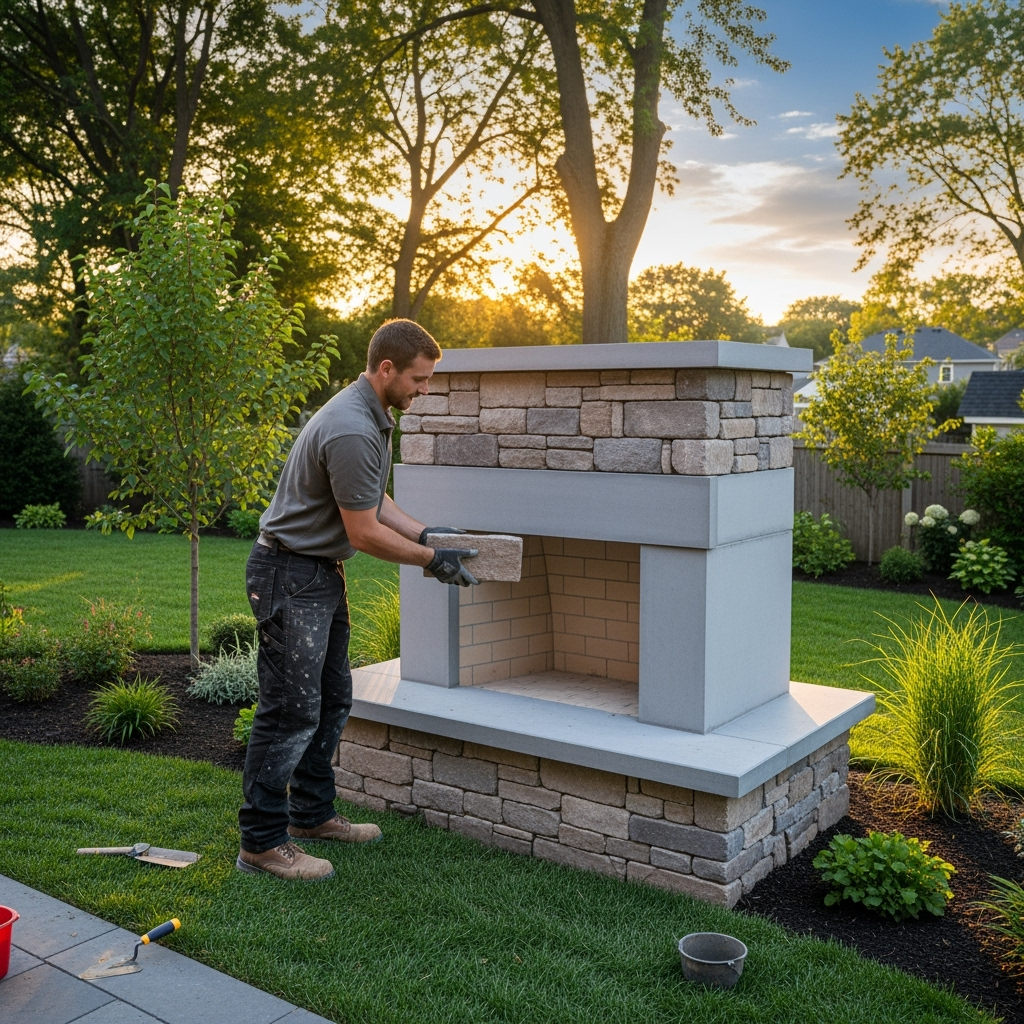
I’ve walked dozens of remodel sites and helped homeowners rethink how they use their outdoor space, and one upgrade keeps coming up as a clear winner: outdoor fireplace installation in NJ. Beyond the cozy glow and instant curb appeal, an outdoor fireplace brings families together, extends the season for outdoor living, and can even increase property value. If you want reliable facts as you plan, the Environmental Protection Agency has helpful guidance on air quality and safe combustion practices at EPA.gov.
Why New Jersey homeowners are choosing outdoor fireplaces
Living in New Jersey means unpredictable weather and a desire to make the most of a backyard, rooftop, or patio. Over the past few years, I’ve seen a sharp rise in demand for well-designed fire features that do more than just burn. Homeowners in Northern New Jersey, Central Jersey suburbs, and coastal communities are looking for durable, low-maintenance installations that look great from the window and perform when the season turns cool.
Here’s what usually drives the decision: families want a focal point for evenings, people want to entertain outdoors without shrinking the calendar to two months, and buyers want differentiators that stand out in a competitive market. A well-crafted fireplace checks every box.
Current trends shaping outdoor fireplace projects
Two trends are shaping how these installations are planned today. First, sustainability: clients want cleaner-burning systems and materials sourced for longevity. Second, smart control: homeowners prefer gas-burning units that integrate with smart-home thermostats and outdoor lighting. These trends make fireplaces safer, easier to enjoy, and more compatible with modern outdoor living.
Sustainable choices
Contemporary projects favor sealed burners and efficient gas lines over open wood-burning pits for cleaner combustion and easier maintenance. Where wood smoke is desired for ambiance, many homeowners choose hybrid designs with smokeless options and proper ventilation to reduce impact on air quality.
Smart and safe operation
Smart gas valves and remote ignition systems are popular because they remove the fuss: instant heat without mess. They also include safety interlocks and temperature sensors, which are especially useful in family homes and areas where children or pets are present.
Designing a fireplace that fits your New Jersey property
Design is where the magic happens. A fireplace should feel like it’s always belonged in the yard, whether your home is a contemporary townhouse in Hoboken, a colonial in Princeton, or a waterfront property along the Jersey Shore. Good design accounts for scale, sightlines from interior rooms, and how the feature works with existing patios, decks, and landscaping.
When I plan a project, I start by asking three questions: Where will people gather? How will weather affect use? What materials do you prefer? The answers guide everything from height and hearth depth to the choice between natural stone, manufactured stone veneer, or a sleek metal surround.
Practical steps to plan outdoor fireplace installation in NJ
Getting started doesn’t have to be overwhelming. Break the project into clear steps so nothing important is missed.
- Assess your space and purpose: Are you creating an intimate seating area or a multifunctional outdoor room?
- Choose fuel type: gas for convenience and cleaner operation, wood for traditional ambience, or a hybrid for the best of both.
- Check local codes and permits: every municipality in this state can have different rules; plan for that time in your schedule.
- Select materials and finishes that match your home and require minimal maintenance.
Permitting, safety, and local code considerations
Permits and codes are non-negotiable. Many towns in New Jersey regulate outdoor combustion appliances, combustion clearances, and setback distances. I always recommend working with a licensed installer or landscape designer who knows local code and can pull the necessary permits. They’ll help avoid delays and ensure the installation passes inspection.
Safety should also inform placement. Keep the fireplace a safe distance from overhangs, fences, and vegetation, and plan seating so that pathways remain clear for emergency access.
Material choices that stand up to New Jersey weather
From seaside salt air to inland freeze-thaw cycles, New Jersey exposes outdoor structures to a lot. Here’s how to pick materials that last and look great.
- Natural stone: classic, durable, and resistant to UV; best when properly sealed.
- Manufactured stone veneer: lighter and less expensive with many style options; pair with a quality substrate and flashing.
- Concrete and polished stucco: modern and highly customizable; requires good drainage design.
- Metal accents and steel burners: for sleek, contemporary looks, choose corrosion-resistant alloys if near the coast.
Budgeting: what to expect for costs
Costs vary widely based on fuel type, materials, and complexity. A basic prefab gas fireplace with a modest surround might be the most budget-friendly option, while custom masonry, integrated seating walls, and stonework will push the project into a higher range. I help homeowners prioritize features so the budget delivers the most visual and functional impact.
Ways to maximize value
Consider investment choices that score high on durability and resale appeal. A simple but well-placed fireplace often outperforms a complex installation in return on investment because it’s easier to maintain and has broader buyer appeal.
How the right installer avoids common pain points
Many problems I see stem from poor planning: incorrect placement, undersized burners, or improper gas piping. Choosing an installer who coordinates landscape elements with mechanical systems solves those problems. When the team handles grading, drainage, utility location, and finish work together, you avoid rework and surprise costs.
Common mistakes to avoid
Don’t let these common errors derail your project:
- Skipping a utility locate before digging pipes or foundations, which risks gas and cable lines.
- Underestimating the impact of wind and prevailing breezes on smoke patterns and flame behavior.
- Using porous materials without proper sealing near freeze-thaw zones.
- Choosing aesthetics over function—never sacrifice practical clearances for a tighter look.
Maintenance tips to keep your fireplace performing year after year
Maintenance is simple when built with the right systems. For gas units, schedule an annual inspection of burners, valves, and ignition systems. For wood-burning units, clean the flue and check masonry joints every season. Keep debris away from burners, and ensure any gas lines have been pressure-tested and installed to code.
Here are a few practical maintenance tips I recommend to every homeowner so the fireplace stays safe and inviting:
- Have a certified technician perform a yearly service on gas appliances to check seals and controls.
- Seal stone and masonry as recommended by the manufacturer, especially in coastal backyards.
- Store fuel properly and keep a clear, safe zone around the hearth for seating and foot traffic.
How a fireplace enhances outdoor living and resale appeal
A great fireplace transforms how you use your property. It turns nights into gatherings, gives photographers a striking focal point, and creates a “room” outdoors that buyers remember. In a competitive market, well-executed outdoor features can help a listing stand out without overspending.
When staging a home for resale, I often see buyers linger near outdoor living spaces more than any other single feature. Thoughtful lighting, integrated seating, and weather-resistant materials combine to create an inviting package buyers respond to emotionally and financially.
Local stats and homeowner demand
Home improvement spending has increased across many suburban areas, and homeowners are prioritizing outdoor living projects. For a snapshot of demographic dynamics and housing trends that affect project planning and resale potential, you can review national data at Census.gov. That context helps explain why outdoor fireplace installations have become a common and strategic upgrade in this area.
Actionable next steps if you’re ready to start
Ready to move forward? Here’s a simple plan to keep momentum without rushing any decision.
- Sketch the area and note sightlines from inside the home; photographs help a designer visualize needs quickly.
- Decide on fuel preference and whether you want integrated seating or a separate patio layout.
- Get at least two site visits from licensed professionals who will review site utilities, drainage, and code compliance.
- Ask for a phased proposal: planning and permitting, hardscape and utilities, then finishes and planting.
Final considerations: blending comfort with long-term value
When you design an outdoor fireplace with durability and versatility in mind, you widen the window for outdoor living and make a smart investment. The best projects are collaborative: a homeowner’s vision, a designer’s technical knowledge, and a contractor’s craftsmanship coming together. With attention to materials, safety, and how your household will use the space, the result is a feature that gets used, appreciated, and remembered.
If you’re in New Jersey and thinking about an outdoor fireplace, start with a clear plan: pick the right fuel, respect codes, select durable materials, and work with professionals who know local conditions. That combination produces beautiful, long-lasting results you’ll enjoy for years.
When you’re ready to talk specifics, Creative Design can walk you through concepts and site assessments and bring full bid documents and permitting support to the table. Creative Design and Maintenance will help turn your outdoor space into the year-round place your family wants to gather.