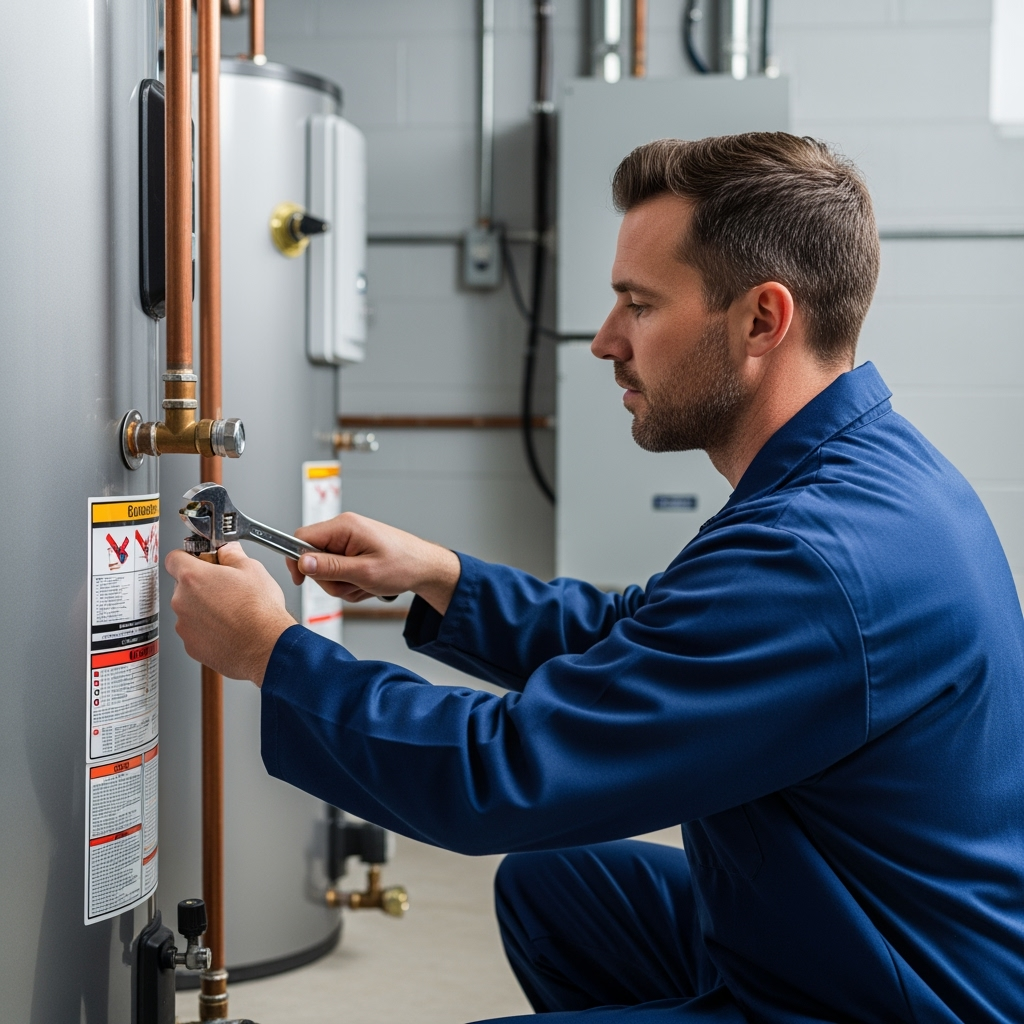
I know how frustrating it is when your hot water goes cold or your utility bills spike for no clear reason. If you’re searching for water heater replacement specialists Austell GA, you’re in the right place to learn what matters most: signs you need a replacement, the best options for homes in this area, and how to work with local pros to get reliable hot water again. For a quick read on energy-saving basics and how much water heating impacts your home’s energy use, the U.S. Department of Energy has useful guidance on efficient choices for households.
Why timely water heater replacement matters in Austell
Living in Austell means dealing with humid summers and chilly winter mornings. A failing water heater doesn’t just interrupt your shower; it can damage floors, increase energy bills, and leave you without hot water for essential tasks. Replacing a worn-out unit before it fails can avoid emergency repairs, reduce long-term operating costs, and give you more consistent performance during peak use seasons in this area.
Common problems that signal replacement
Many homeowners ignore early warning signs until the unit completely stops. I always tell clients that catching problems early keeps costs down. Watch for these red flags:
- Rust-colored water or sediment in taps, which can indicate internal corrosion;
- Strange noises like popping or rumbling from the tank, caused by sediment buildup;
- Frequent pilot outages or burner problems on gas models;
- Rapid increases in utility bills without a change in family usage.
Options for replacement: what works best for local homes
Not every water heater is right for every house in Austell. Choices depend on household size, supply line configuration, energy goals, and budget. Here are the most popular modern options I discuss with homeowners:
Standard tank water heaters
Traditional tank units remain common because they’re cost-effective up front and simple to install. They store hot water in a large insulated tank. For many families in this area who want a straightforward swap, a higher-efficiency tank model with a better insulation rating can be a smart upgrade that lowers standby heat loss.
Tankless (on-demand) units
Tankless heaters save space and deliver hot water only when you need it, which can reduce energy use for some households. They’re excellent for homes with limited attic or closet space and for homeowners looking to modernize. Keep in mind that initial costs are higher and venting/electrical upgrades may be required depending on the model.
Heat pump water heaters
Heat pump water heaters are an energy-efficient trend that uses ambient air to heat water with far less electricity than conventional resistance units. They work well in conditioned spaces or utility rooms with sufficient air volume and can significantly lower annual operating costs, though they may need more space than a standard tank. With incentives and growing interest in electrification, these units are becoming more common around the Atlanta metro area.
How to size and select the right replacement
Choosing the correct size is about matching peak demand and recovery speed to your household routine. I recommend starting with a short audit: count showers during peak morning times, dishwasher and laundry overlaps, and any bathing fixtures that run simultaneously. For tank units, look at the first-hour rating (FHR); for tankless, check the flow rate (gallons per minute) and the temperature rise required to reach desired hot water temperatures from Austell’s incoming ground water temperatures.
Factors that influence choice
Consider these practical items before you buy:
- Number of occupants and simultaneous hot water needs;
- Available installation space and venting options;
- Fuel availability—natural gas vs. electric; many homes in this part of Cobb and Douglas counties have gas service which affects running costs;
- Long-term goals like reducing energy bills or adding smart-home features.
Step-by-step: what a professional replacement process should look like
A clear, predictable replacement process separates experienced technicians from weekend handymen. When I consult with homeowners, I expect a licensed specialist to follow these steps so the install is safe and reliable:
- Initial on-site assessment that notes fuel type, venting, water pressure, and space constraints;
- Estimate that breaks down parts, labor, permit costs, disposal fees, and timeline;
- Permit pull and inspection scheduling as required by local building codes;
- Careful removal of the old unit, safe disposal of hazardous materials, and protection of floors/walls during work;
- Installation of the new unit, followed by testing, flushing, and walkthrough with the homeowner on operation and maintenance tasks.
Permits, codes, and warranties
Always confirm that the specialist pulls the necessary permits. Proper permits protect you and ensure the work meets current code. A trustworthy installer will also review the manufacturer’s warranty and their own workmanship warranty. Ask for documentation so you know what’s covered and for how long.
Costs, rebates, and financing trends
Replacement costs vary by type and complexity. A basic tank replacement is usually the most affordable up front. Tankless and heat pump models cost more initially but often pay back through lower energy bills. Two trends are shaping local decisions: rising interest in electrification and a growing number of rebates and incentives for high-efficiency systems. Energy-saving technology and climate policy have increased available incentives, so check current local and federal programs when budgeting.
How to estimate value
When comparing quotes, don’t just look at sticker price. Compare lifetime costs: estimated annual energy use, expected service life, maintenance needs, and available rebates. A higher-efficiency model might cost more today but save more over time, especially with a heat pump or high-efficiency tankless installation in the right setting.
Safety, permits, and what to expect if you have an older system
Older water heaters can present safety risks such as gas leaks, electrical hazards, or a risk of tank rupture. Replacing an aging unit proactively prevents those risks. Licensed technicians test gas lines, check combustion air and venting, and verify electrical connections. If your home has older plumbing, a pro might recommend additional work like replacing corroded fittings or adding a pressure relief valve to meet current code.
Actions to take if you spot trouble
If you see leakage, corrosion, or persistent pilot light problems, stop using the unit and call a qualified specialist. In addition, keep these preventive steps in mind to reduce emergency scenarios:
- Flush the tank annually to remove sediment buildup and extend the unit’s life;
- Test the temperature-pressure relief valve yearly to ensure it operates freely;
- Insulate older hot water pipes and the tank itself to improve efficiency and reduce heat loss.
Finding and vetting local replacement specialists
Working with a local team that knows Austell, nearby neighborhoods like Mableton and Lithia Springs, and county permitting processes makes the project smoother. Here’s how I evaluate contractors and what I recommend you ask during the estimate:
Questions to ask your contractor
Ask for a clear written estimate that includes a breakdown of labor, parts, permit costs, and disposal fees. Confirm licensing and insurance, and ask about references from recent local jobs. Specific questions to ask include:
- Do you carry a current license for plumbing/HVAC work in Cobb or Douglas County?
- Will you pull the permit and schedule the inspection?
- What is the estimated timeline from start to finish?
- Which brands and models do you recommend and why for homes in Austell?
Maintenance tips to extend the life of your new water heater
Installation is only the beginning. Regular maintenance keeps the unit running efficiently and can prevent early failure. I recommend the following simple schedule to homeowners:
Drain and flush tank units yearly to remove sediment, check anode rods every 2–3 years and replace them if badly corroded, and schedule a professional inspection every 1–2 years to check combustion safety and controls. For tankless units, follow the manufacturer’s maintenance for descaling, particularly if your water is hard.
Local considerations and final checklist
Austell homeowners face some unique local considerations: seasonal humidity, proximity to major traffic corridors that affect response times for service calls, and mixed housing stock that ranges from older cottages to newer builds. Before you make a decision, run this quick checklist to prepare:
- Decide whether you want to prioritize lower upfront cost or lower lifetime operating cost;
- Confirm if any space or venting upgrades are needed for the preferred model;
- Ask the contractor to explain the expected life span and maintenance plan for the unit;
- Check for available rebates or local incentives for high-efficiency equipment.
Wrapping up and next steps
Choosing the right replacement specialist is about balancing price, safety, and long-term performance. Start with a clear idea of your household’s hot water patterns, ask targeted questions during estimates, and prioritize licensed professionals who pull permits and stand behind their work. Whether you opt for a modern high-efficiency tank, a tankless system, or a heat pump water heater, the right installation will keep hot water flowing reliably through every season in Austell.
If you’re ready to get an on-site assessment and a clear, written quote, reach out to Home Heating & More for local expertise and dependable service in Austell, GA.